
Choosing Gutter Protection for Commercial Buildings
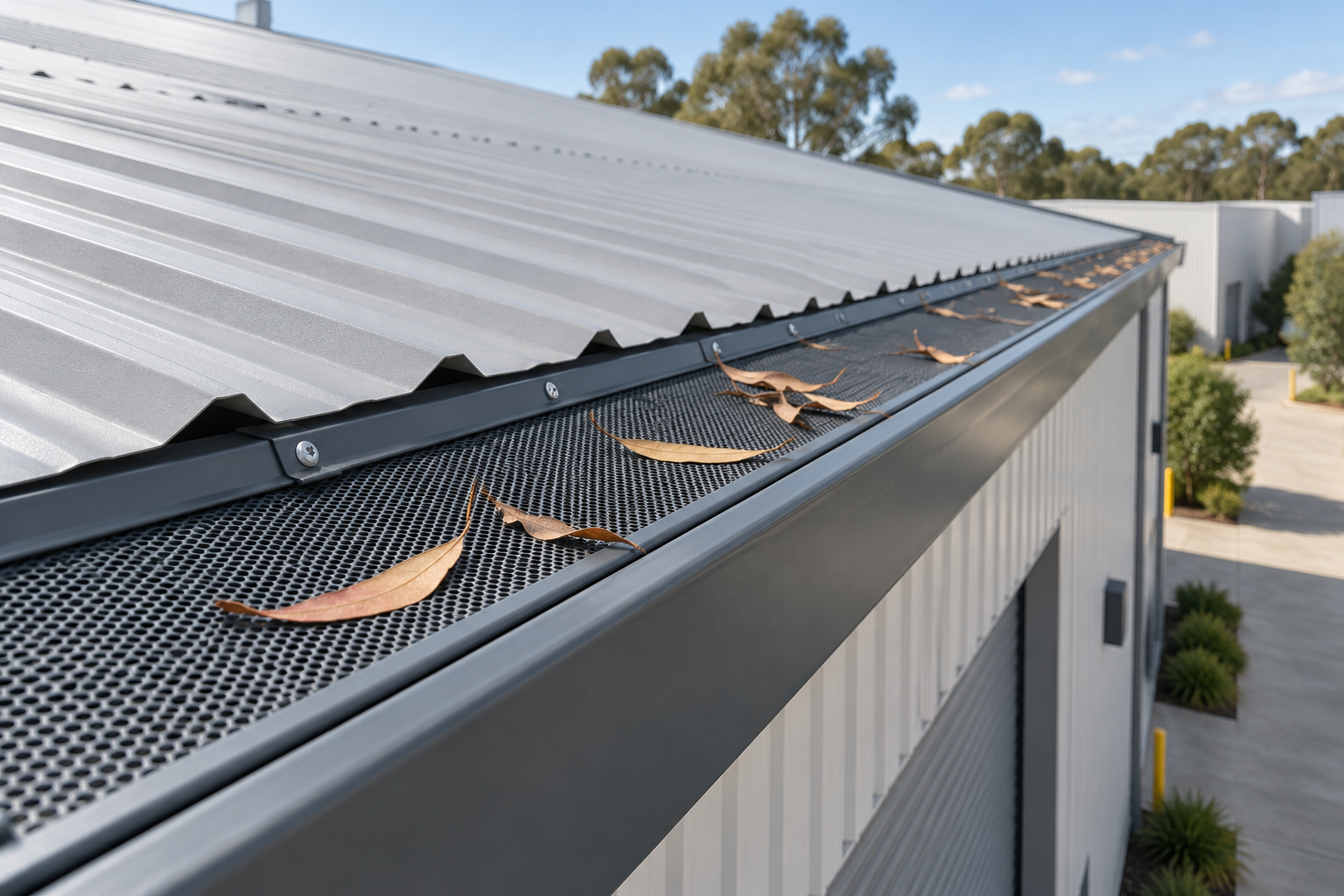
For property managers dealing with leaf-filled roof drainage, an aluminium gutter guard can form part of a more manageable maintenance plan. Warehouses, offices and retail premises each have different roof layouts, surrounding vegetation and access requirements. The suitability of aluminium mesh depends on how the material and complete installation match those conditions. A useful assessment starts with the existing drainage system, including any history of overflow or difficult cleaning access. Selecting commercial gutter guards then becomes a practical decision about debris control, maintenance access and the needs of the building.
Start with the Building’s Drainage Problems
Before comparing products, a property manager needs to understand what is collecting in the gutters and where problems occur. Broad leaves, small seed pods and windblown litter create different maintenance challenges. Nearby trees may affect only one side of a building, while sheltered roof sections can collect debris that remains unnoticed between inspections.
Previous maintenance records offer a useful starting point. Repeated blockages near the same outlet, reports of overflow above an entrance or photographs showing standing water can help a contractor identify areas needing closer attention.
Existing defects also need assessment before protective screening is fitted. A gutter with damaged joints, poor alignment or an obstructed downpipe may require repairs or cleaning first. Covering the opening does not resolve those underlying problems.
For a commercial property, the consequences extend beyond the roof edge. Water spilling near a customer entrance, loading area or outdoor seating space can interrupt normal use of the premises. Recording these locations helps prioritise the work according to its effect on building operations.
Match the System to the Roof
Commercial roofs vary considerably. An office with tiled roofing presents a different installation task from a warehouse with long metal roof sheets and internal drainage channels. Measurements, roof profile and gutter shape therefore matter when specifying a protective system.
Material selection is only part of that decision. Available systems include aluminium, steel and polymer options, with different fittings and configurations for different roof profiles. The mesh, trims and fasteners need to be considered together as a complete assembly.
A quotation should explain which roof sections are included, how the screening will be secured and how outlets will remain accessible. It should also identify awkward junctions, corners or changes in roof height that require additional work.
The surrounding environment deserves attention too. A contractor should assess the suitability of the proposed materials and fixings for the site, including exposure conditions and compatibility with the existing roofing. A product selected mainly by appearance or price may overlook these practical considerations.
Keep Maintenance Access in the Plan
Protective screening should be treated as part of an ongoing maintenance programme. Property managers still need a way to inspect the roof drainage, remove accumulated material and investigate any signs of overflow.
Access arrangements are particularly important on larger premises. A contractor may need to coordinate equipment placement, delivery access and temporary restrictions around the work area. These requirements should be discussed before installation so that the building’s normal activities can be accommodated.
The same planning applies to future inspections. If reaching an outlet requires removing part of the screening, the maintenance team needs to know how that section is opened and reinstated. Clear handover instructions help prevent uncertainty when a different contractor attends later.
Inspection frequency should reflect actual site conditions. A heavily treed property may need closer attention during periods of leaf fall, while another building may mainly collect windblown rubbish. Maintenance records can help establish an appropriate schedule rather than relying on a fixed assumption about every property.
Compare Quotes by Scope and Practical Value
Two quotations can appear similar while covering different amounts of work. One may include gutter cleaning, minor preparation and detailed treatment around outlets, while another may cover the screening installation alone.
A useful comparison considers the measured area, proposed materials, fastening method, access equipment and handover information. Any exclusions should be clear, particularly where repairs or drainage improvements have been identified separately.
Warranty details also deserve careful reading. Property managers should establish what the material warranty covers, whether installation workmanship has separate terms and what maintenance responsibilities apply. Keeping this information with the building’s service records makes future enquiries easier.
The most useful outcome is a system suited to the roof and supported by a workable inspection plan. For commercial premises, that means considering everyday access, maintenance responsibilities and known drainage issues alongside the product itself. A clear assessment and detailed scope give property managers a stronger basis for choosing an installation that supports the building over time.