
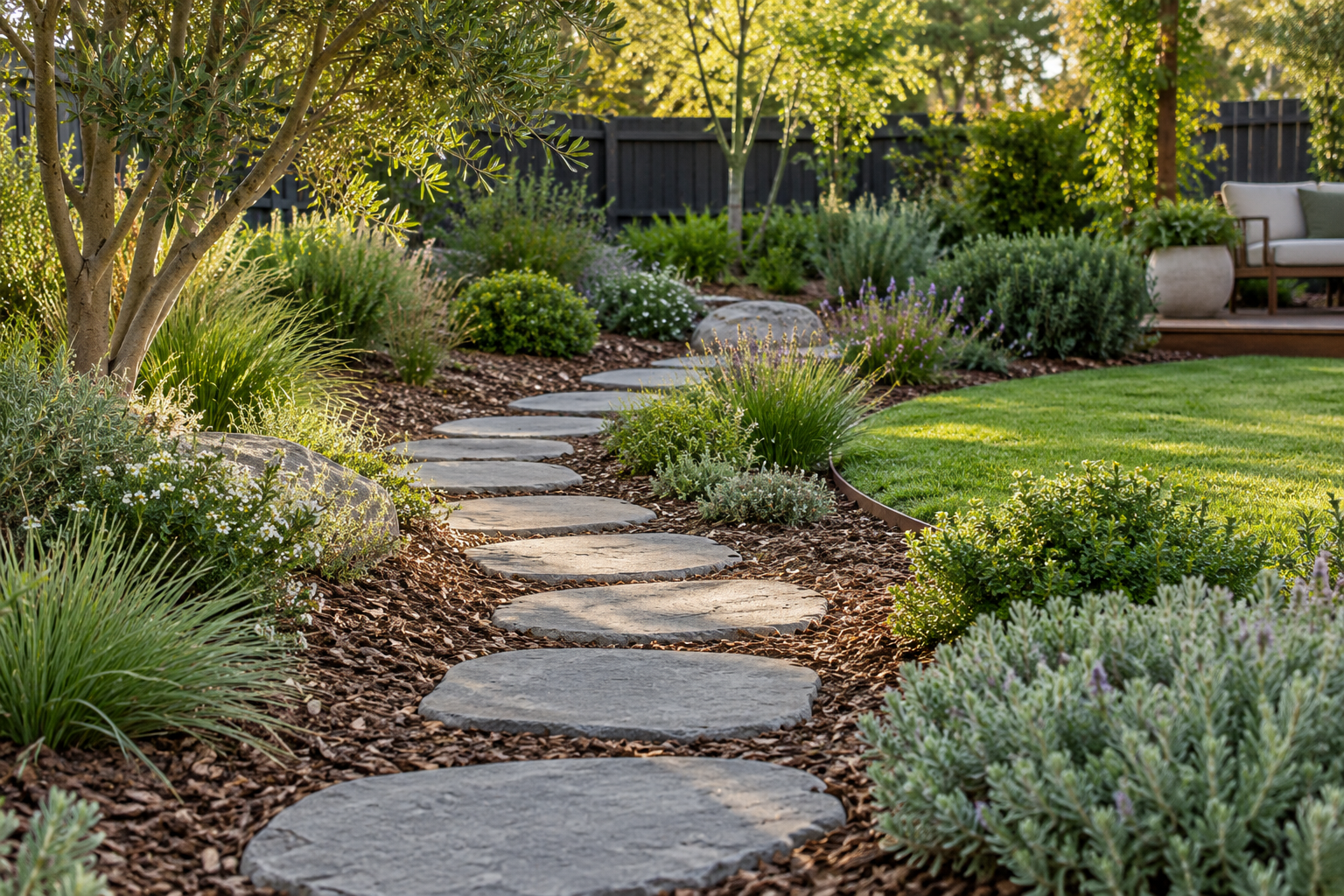
Planning a Practical Garden Refresh
A garden refresh often works best when planting beds, paths and material handling are planned together. Choosing garden mulch is one part of that process, particularly where exposed soil needs covering around established plants. The layout also needs to account for the routes people take between the house, outdoor seating and frequently used areas. Well-positioned garden stepping stones can provide a defined route while leaving room for planting beside it. Before materials arrive, access and the amount of lifting involved deserve attention. For projects involving substantial loads, mini loader hire may be worth considering where suitable access and ground conditions allow machinery to operate.
The aim should be a garden that feels easier to use and maintain. That does not necessarily require a complete redesign. Tidying bed edges, improving a worn shortcut and refreshing the soil covering can make a noticeable difference without replacing established features.
Work out the layout before ordering
A useful starting point is to observe how the garden is already used. Worn grass, muddy patches and compacted soil often reveal where people naturally walk. A path that follows these movements is more likely to be used than one positioned solely for appearance.
Access to taps, clotheslines, sheds and gates should remain straightforward. Paths also need enough clearance from plants that will spread as they mature. A route that looks generous beside small plants can become awkward once foliage reaches across it.
Stepping surfaces suit some informal routes, but they may be less practical where bins, wheelbarrows or mobility aids need regular access. In those areas, a continuous, stable surface may better suit the task.
Once the layout is marked, measuring becomes easier. Bed areas help determine material quantities, while the proposed path length provides a starting point for calculating the number of pavers required. Allowances should reflect the actual dimensions of the chosen products rather than estimates based on photographs.
Delivery planning matters too. A convenient unloading position can reduce double handling, particularly when materials must be moved from the front of a property to the backyard.
Prepare paths for everyday use
An attractive stepping path still needs a stable foundation. Placing pavers directly onto uneven or loose ground can leave them rocking, sinking or sitting at different heights.
Preparation should suit the soil, the product and the intended use. Generally, this involves removing unsuitable loose material and creating a firm, level base. Installation guidance from the product supplier can help establish the appropriate approach.
Spacing is best checked on site. Laying the pieces out temporarily allows the route to be tested with a comfortable walking stride before installation begins. Curved sections may need adjustments so that each step feels natural.
The finished surfaces should remain stable and avoid awkward height changes. Where a path meets lawn, the relationship between the paver height and surrounding ground also affects mowing and maintenance.
Drainage needs consideration before the base is completed. Existing water flow should not be obstructed, and the path should not create a new low point where rainwater collects. Persistent drainage problems deserve attention before decorative materials cover the area.
Refresh planting beds with care
Before adding a fresh soil covering, weeds and accumulated rubbish should be removed. Existing irrigation also needs checking, since buried fittings or damaged drip lines become harder to inspect once the surface is covered.
Material selection should reflect the planting and the way the bed is maintained. Organic options gradually break down and require replenishment. Their texture and appearance vary, so viewing a sample can help avoid surprises when a bulk delivery arrives.
Application depth should follow guidance for the selected material and planting conditions. A thicker layer is not automatically better, especially if it interferes with watering or builds up against plants.
Tree trunks and plant stems should remain clear of piled material. Leaving space around them also makes inspection easier and helps prevent the bed from looking overfilled.
Where soil is dry, watering before application can help establish a better starting condition. Afterwards, irrigation should be checked to confirm that water reaches the soil beneath the surface layer.
Defined edges can help keep loose material out of the path. They should fit the garden’s layout and allow routine maintenance without creating narrow spaces that are difficult to reach.
Plan material handling around the site
Moving soil, pavers and bulk landscaping materials can take a substantial share of the project time. The handling plan should account for the distance involved, changes in level and the available unloading space.
Compact machinery may help with suitable tasks, but its suitability depends on more than the width of a gate. Turning room, slopes, overhead clearance and the capacity of surfaces along the route all need assessment.
Underground services should be identified before excavation. Operators also need appropriate instructions for the equipment, and people should remain clear of the working area.
For smaller projects or restricted access, wheelbarrows and manageable loads may provide a more practical approach. Materials can be positioned in stages to keep routes open and avoid unnecessary handling.
Completing disruptive ground work first, installing the path next and finishing the beds afterwards can reduce rework. With the sequence planned, a modest refresh can produce a garden with clearer access, tidier planting areas and more manageable upkeep.